What is the difference between online and offline calibration of safety valves?

2026-06-11 10:25:35

测试数据

    Should safety valves be calibrated offline (removed) or online (in-situ)? This is a common question for users of pressure vessels, boilers, and pressure piping. The so-called online vs offline calibration represents two fundamentally different technical approaches – one pursues continuous operation and high efficiency, the other pursues high accuracy and comprehensive overhaul. This article breaks down the differences from four perspectives: principles, pros & cons, applicable scenarios, and cost, helping you make sound decisions based on your actual operating conditions.

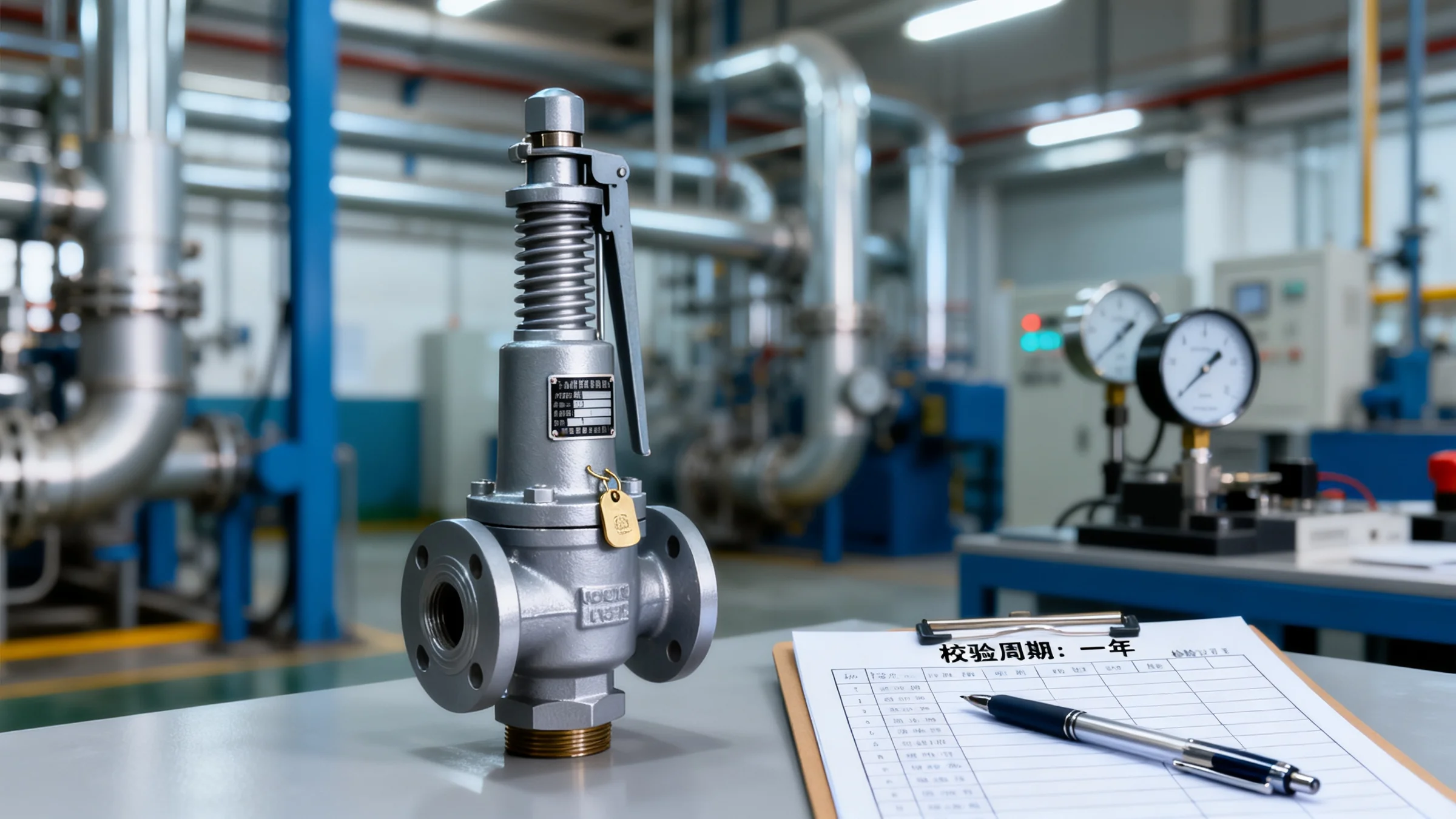
    安全阀在线校验和离线校验有什么区别?.webp

    I. Principle Comparison

    Offline Calibration: The safety valve is removed from the equipment, transported to the calibration workshop, and mounted on a dedicated safety valve test stand. The test stand pressurizes the inlet side of the valve hydraulically or pneumatically, uses high-precision pressure sensors to measure the opening pressure (set pressure), and checks for leakage on the sealing surfaces. Offline calibration is typically performed under ambient temperature and pressure, with the test medium usually being dry air or nitrogen.

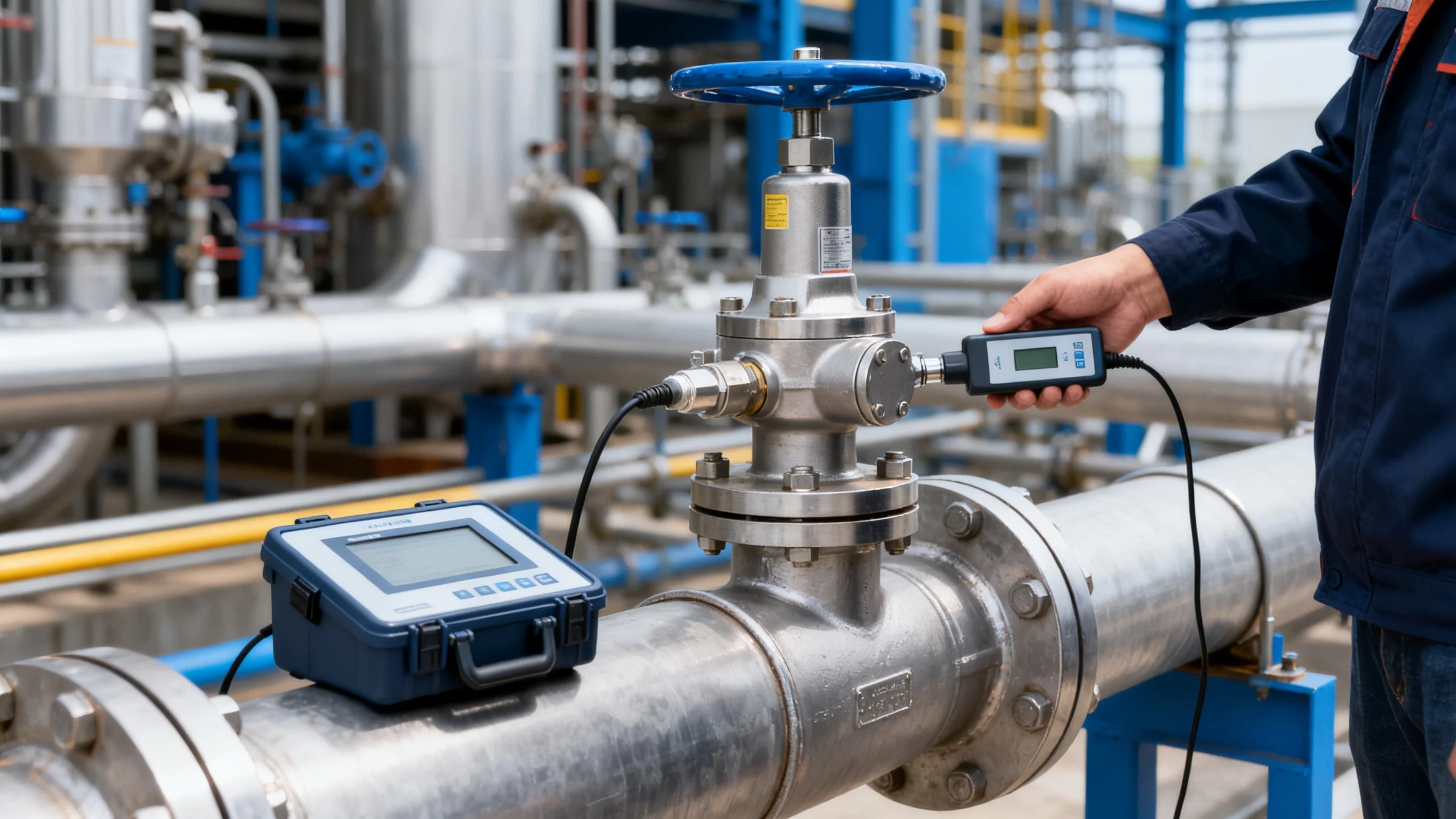
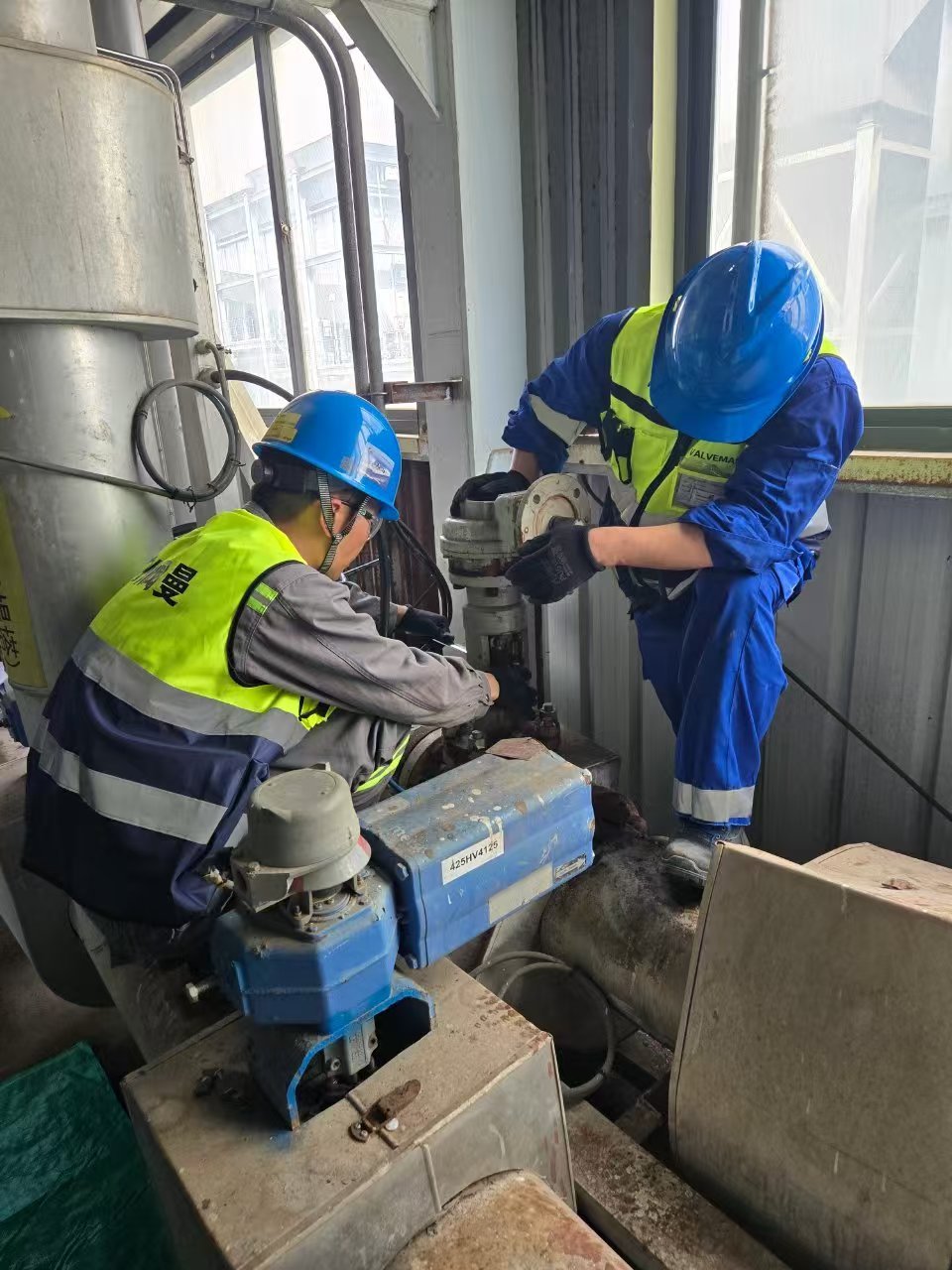
    Online Calibration: The safety valve remains installed on the equipment, without removal or shutdown. A portable online calibrator applies an external auxiliary force to the valve disc via a hydraulic or pneumatic device to overcome the spring preload and slightly lift the disc. The additional force and system medium pressure are measured, and the set pressure is calculated. The medium during online calibration is the actual process medium (steam, gas, or liquid), and temperature and pressure are real operating parameters.

    The essential difference: offline calibration means "removing and simulating conditions", while online calibration means "measuring under real conditions".

    II. Advantages & Disadvantages

    Offline Calibration Advantages:

    • High accuracy: Stable pressure control on the test stand, measurement accuracy within ±0.5%
    • Full overhaul possible: After removal, internal parts such as sealing surfaces, springs, stems, and guides can be inspected, cleaned, lapped, or replaced.
    • Not limited by site conditions: Can be performed as long as the equipment is shut down, regardless of whether it is running.
    • Standardized reports: Offline calibration reports have uniform format and complete data, making regulatory review easier.

    Offline Calibration Disadvantages:

    • Requires shutdown: The protected equipment must be stopped, depressurized, and drained. For continuous processes like petrochemical and power plants, shutdown costs are extremely high.
    • High removal workload: Safety valves are often located at heights or in tight spaces, requiring scaffolding and significant labor/time.
    • Transportation risks: Valves may be bumped during transport, affecting sealing surfaces.
    • Not applicable to welded valves: Some power boiler safety valves are welded and cannot be removed for offline calibration.

    Online Calibration Advantages:

    • No shutdown required: Equipment remains in normal operation, no production impact.
    • No removal needed: Valve tested in-situ, eliminating disassembly, reassembly, and transport.
    • Reflects real conditions: The medium is the actual process medium; factors like temperature and back pressure are accounted for.
    • Suitable for welded valves: Online calibration is the only feasible method for welded safety valves.
    • High efficiency: Online calibration for a single valve typically takes only 30–60 minutes.

    Online Calibration Disadvantages:

    • Relatively lower accuracy: Affected by on-site vibration, medium fluctuations, temperature changes, etc., typical accuracy around ±3%.
    • Cannot perform simultaneous overhaul: Online calibration only measures set pressure; internal part condition cannot be inspected.
    • Certain risks: The valve must be slightly lifted during calibration, which may release medium to atmosphere (acceptable for steam or non-toxic gases, but caution needed for toxic or flammable media).
    • High equipment requirement: Requires dedicated online calibrator and specially trained operators.
    • Regulatory restrictions: TSG ZF001 states that safety valves handling flammable, explosive, or toxic media are not suitable for online calibration.

    III. Applicable Scenarios

    Scenario

    Recommended Method

    Reason

    Continuous petrochemical plants (e.g., ethylene, refining)

    Online calibration preferred

    One day of shutdown can cost millions; online calibration avoids production loss.

    Power boiler safety valves (welded connection)

    Online calibration

    Cannot be removed; online calibration is the only option.

    Simple pressure vessels or non-continuous production equipment

    Offline calibration

    Shutdown impact is small; offline calibration offers higher accuracy and simultaneous overhaul.

    Safety valve due for replacement or during turnaround

    Offline calibration

    The plant is already shut down for turnaround; removing and sending valves for calibration and replacing with spares is the standard practice.

    Toxic, highly toxic, or flammable/explosive media

    Offline calibration (if feasible)

    Regulations restrict online calibration, and release risk is too high.

    Obvious leakage or sticking of the safety valve

    Offline calibration

    Requires disassembly and overhaul; online calibration cannot address the issue.

    Newly purchased safety valve incoming inspection

    Offline calibration

    Type testing and factory acceptance are performed on the test stand.

    In practice, many companies adopt a combined strategy: use online calibration during normal operation as an interim check to ensure safety valves remain effective between turnarounds; during turnaround shutdowns, remove all valves for offline calibration along with overhaul and spare valve rotation.

    IV. Cost Analysis

    Cost composition should be examined from both direct and indirect expenses.

    Direct Costs of Offline Calibration:

    • Labor for removal/reinstallation (including scaffolding and insulation removal/restoration).
    • Transportation and logistics.
    • Test stand fees (charged per valve, typically 100–500 RMB/valve depending on size and pressure rating).
    • If faults are found, additional repair or replacement parts costs.

    Indirect Costs of Offline Calibration (often the largest):

    • Shutdown loss: For continuous production plants, the lost output value from one day of shutdown can be hundreds of times the calibration fee. This is the largest hidden cost of offline calibration.

    Direct Costs of Online Calibration:

    • Purchase cost of portable calibrator (approx. 50,000–150,000 RMB/unit) or third-party service fee (typically 300–800 RMB/valve).
    • Operator training and certification costs.
    • Consumables per calibration (seals, recording paper, etc.).

    Indirect Costs of Online Calibration:

    • Essentially zero, as no shutdown is required.

    Total Cost Comparison (example: a DN80, PN16 safety valve in a petrochemical plant):

    Cost Item

    Offline

    Online

    Removal/installation labor

    Approx. 500–1000 RMB

    0 RMB

    Testing/service fee

    Approx. 200–300 RMB

    Approx. 400–600 RMB

    Shutdown loss allocation

    Very high (if dedicated shutdown) or 0 RMB (if done during turnaround)

    0 RMB

    Transportation & management

    Approx. 100–200 RMB

    0 RMB

    Total per valve (non-turnaround)

    Thousands to tens of thousands RMB (mainly shutdown loss)

    400–600 RMB

    Total per valve (during turnaround)

    Approx. 800–1500 RMB

    Not applicable (plant already shut down; offline inspection is typical)

    The conclusion is straightforward: if equipment can be shut down for turnaround, offline calibration offers better cost-performance (since overhaul can be done simultaneously with good accuracy). If shutdown is not possible or undesirable, online calibration — though having a slightly higher per-valve service fee — avoids huge shutdown losses, making the overall cost lower.

    V. How to Choose: A Decision Matrix

    Question

    Yes

    No

    Can the equipment be shut down at any time?

    Choose offline

    Continue below

    Is the valve welded?

    Choose online

    Continue below

    Is the medium toxic/flammable/highly toxic?

    Choose offline (regulatory restriction)

    Continue below

    Does the valve need overhaul at the same time?

    Choose offline

    Both; depends on accuracy requirement

    Is accuracy requirement > ±2%?

    Choose offline

    Online acceptable

    Final advice: There is no absolute better method; the key is matching actual operating conditions. For most continuous petrochemical and power plants, it is recommended to establish a management system with online calibration as the primary method and offline calibration as the secondary — perform online calibration every 1–2 years during operation, and during turnaround, remove all valves for offline calibration and comprehensive overhaul. This combined approach balances production continuity and equipment reliability, and is the current mainstream practice in the industry.

    (For safety valve online calibration, offline calibration, and maintenance services, please contact Suzhou VALVEMAN Engineering Technology Co., Ltd. Our services cover petrochemical, power, marine, and other industries. Website: https://www.valveman-service.com)

    Precision in Valve Care — Powering Industrial Stability.

    Consult Now

    Submit Now

    VALVEMAN ENGINEERING CO., LTD.

    Focus on full lifecycle valve services, safeguarding industrial safety with expertise, and building industry trust through quality.

    About Us

    Company Introduction

    Industry Solutions

    Qualification

    News & Updates

    Products and Services

    Valve Inspection

    Valve Maintenance

    Valve Testing

    Product Center

    Contact Us

    Phone: +86 512 67420760

    Email: sales@valveman-service.com

    Headquarters: Room GC, Building 3, No. 1361 Dongfang Road, Pudong New Area, Shanghai, China

    Factory: Building 5, 1F East, No. 38 Dongfu Road, Suzhou Industrial Park, Suzhou, China

    © 2026

    VALVEMAN ENGINEERING CO., LTD.

    All rights reserved.

    |

    Su ICP No. 2022020574-1

    |

    Technical Support

    HOLYPro